
How do you become an Air Force pilot? These paths after Class 12 open the way to flying in the skies..
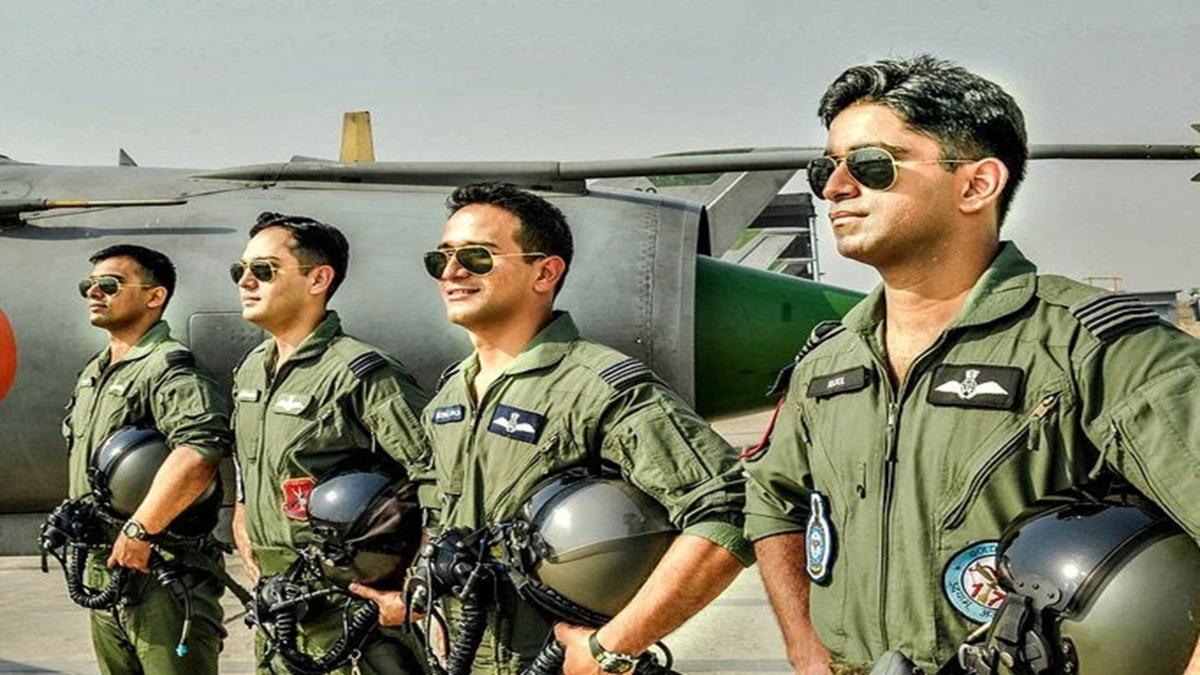
Indian Air Force Day is celebrated every year on October 8th. This day serves as an occasion to acknowledge the role and achievements of the country's Air Force and the courage of its personnel. While there are various roles within the Indian Air Force, the dream of becoming a pilot holds a special place among the youth. From flying fighter jets to playing a crucial role in the nation's aerial defense, a pilot's responsibilities are significant. If you aspire to become a pilot in the Indian Air Force, there are key pathways available after completing Class 12. Let us understand these options in simple terms.
What paths open up after Class 12?
The primary route to becoming an Indian Air Force pilot after Class 12 is through the National Defence Academy (NDA). Candidates must appear for the NDA examination conducted by the Union Public Service Commission (UPSC). To join the Air Force, having Physics and Mathematics as subjects in Class 12 is mandatory. After clearing the NDA exam, candidates must undergo the Services Selection Board (SSB) selection process. Upon selection, they receive approximately three years of training at the National Defence Academy in Khadakwasla. Subsequently, after completing the requisite flying training, the candidate can proceed to serve as a pilot in the Air Force.
What opportunities exist after graduation?
If a candidate has completed their graduation after Class 12, avenues to become an Indian Air Force pilot remain open. Key among these are the Combined Defence Services (CDS) examination and the Air Force Common Admission Test (AFCAT). To join the Air Force's Flying Branch via CDS, candidates must meet specific educational qualifications. Similarly, graduates can apply for the Flying Branch through AFCAT. However, since age limits, educational qualifications, and other criteria may vary for each recruitment drive, it is essential to consult the relevant official notification before applying.
How can one become a pilot through AFCAT?
AFCAT is one of the primary entry routes for becoming an officer in the Indian Air Force. Graduate candidates can apply for the Flying Branch through this route. The selection process includes a written examination followed by further stages, such as the SSB (Services Selection Board) interview. Candidates for the Flying Branch must also meet specific physical and medical standards; merely passing the written exam is not enough. Attributes such as mental aptitude, teamwork, leadership qualities, and other essential traits are evaluated. Successful candidates are then sent for further flight training.
What happens during the SSB and medical examination?
Candidates proceeding via NDA, CDS, or AFCAT may have to undergo the Services Selection Board (SSB) process. This multi-stage process assesses qualities such as the candidate's mindset, personality, mental aptitude, ability to work in a group, and leadership skills. Subsequently, the medical examination is crucial. Health and vision standards are particularly stringent for Flying Branch candidates; they must meet the Air Force's prescribed medical and visual criteria. Success in all these stages paves the way for the next phase of training.
Where does the training to become a pilot take place?
Upon completion of the selection process, candidates undergo flight training at designated Air Force training institutes. This encompasses both initial flight training and subsequent advanced training. The Air Force Academy at Dundigal is the premier institute for training Air Force officers. During training, candidates are taught essential skills such as flying aircraft, conducting air operations, ensuring safety, and handling emergency situations. Completing the training offers candidates the opportunity to advance as officers in the Flying Branch. In essence, the journey to becoming a pilot begins with an examination and progresses through rigorous training.
