
Girls Shine in JEE Advanced; Over 10,000 Qualify After Six Years
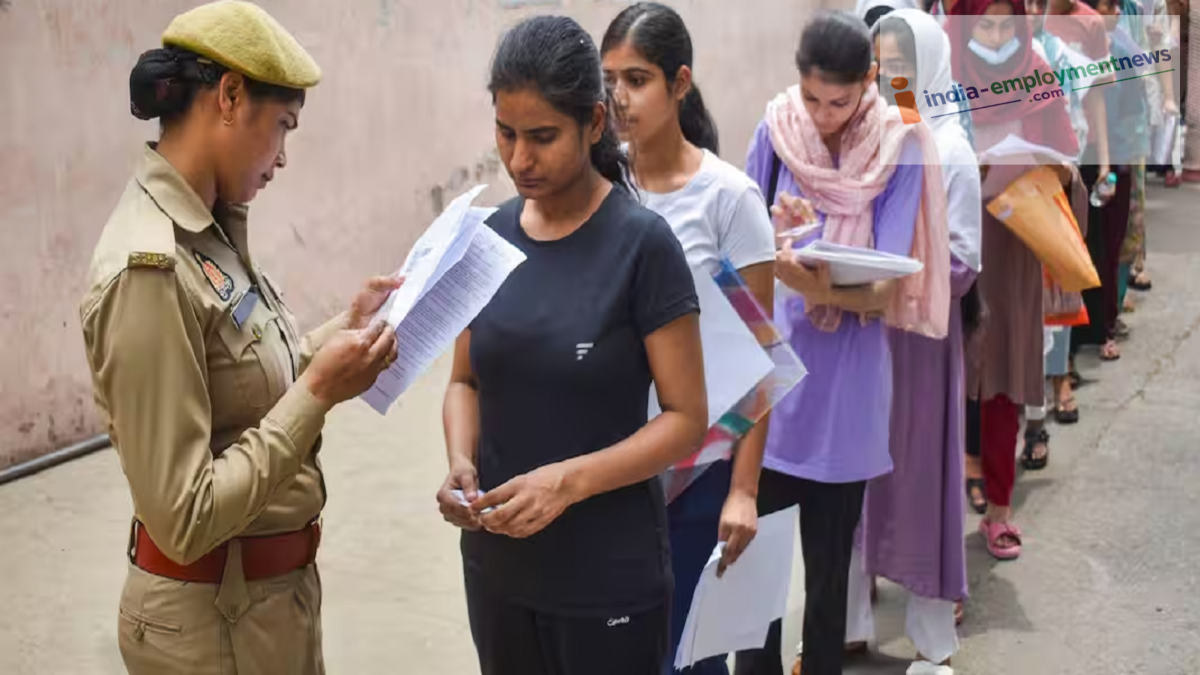
For the first time in six years, more than 10,000 female students qualified for JEE Advanced. However, despite the increase in the number of qualifying female students, their share of total IIT seats remained around 20%.
Data regarding JEE Advanced 2026 results and admissions shows a significant improvement in the performance of female candidates. For the first time in six years, over 10,000 female students have qualified for JEE Advanced; this year, 10,107 female candidates succeeded in the exam. Yet, despite the rise in the number of qualifiers, their share of total IIT seats hovered around 20 percent. These figures concerning JEE Advanced 2026 qualification and seat allocation were revealed in a report by the Joint Implementation Committee, prepared by IIT Roorkee.
A total of 43,112 female candidates registered for JEE Advanced 2026. Of these, 40,562 female students appeared for both papers, and 10,107 succeeded in qualifying. Based on registered female candidates, the success rate was 23.4 percent, up from 21.7 percent in 2025. Meanwhile, the success rate among female students who appeared for both papers was 24.9 percent. This indicates an improvement in the performance of female candidates compared to the previous year; however, while women accounted for approximately 23 percent of total registrations, their share among qualifiers stood at 17.76 percent. In 2025, 9,404 female students had qualified for JEE Advanced.
Female Representation in IIT Admissions Around 20%
While the number of female qualifiers in JEE Advanced has increased, there has been no significant shift in their share of IIT seat allocations. Out of a total of 18,861 IIT admissions, female candidates secured 3,851 seats. This represents 20.22% of the total seats, compared to 20.15% previously. Of these, 3,777 seats were secured under the supernumerary quota reserved for women, while 37 female students obtained seats through the gender-neutral pool open to all candidates. These reserved seats were introduced to ensure that women constitute at least 20% of the new undergraduate students at IITs.
Top Female Candidate Secures All India Rank 77
The top-performing female candidate in JEE Advanced secured an All India Rank (AIR) of 77 with a score of 280. She scored 101 marks in Mathematics, 86 in Physics, and 93 in Chemistry. Among the top 100 rankers, 97 candidates enrolled in IIT Bombay, IIT Delhi, and IIT Madras; IIT Bombay alone admitted 68 of these top 100 rankers.
Improved Performance by SC and ST Candidates
JEE Advanced 2026 also saw an increase in the qualification rates for ST and SC candidates. The success rate for SC candidates rose from 40.41% to 50.16%—marking the first time the qualification rate for the SC category has crossed the 50% mark. Similarly, the success rate for ST candidates increased from 33.99% to 42.14%. This year, 15,856 SC and 6,379 ST candidates qualified, compared to 12,499 and 5,008 last year. Meanwhile, the qualification rate for the General category dropped from 43 percent to 39.8 percent. The success rate for OBC-NCL candidates also declined from 18.2 percent to 17.5 percent. The number of EWS qualifiers rose from 6,291 to 6,377.
A total of 56,880 candidates qualified.
The JEE Advanced 2026 examination was conducted in two shifts on May 17. A total of 1,87,389 candidates registered for the exam, while 1,79,694 appeared for both papers. Of these, 56,880 candidates qualified. According to reports, some of the qualifying candidates are also eligible for a one-year preparatory course.
