
Demand for Three Attempts in JEE Advanced; Questions Raised Regarding Current Rules
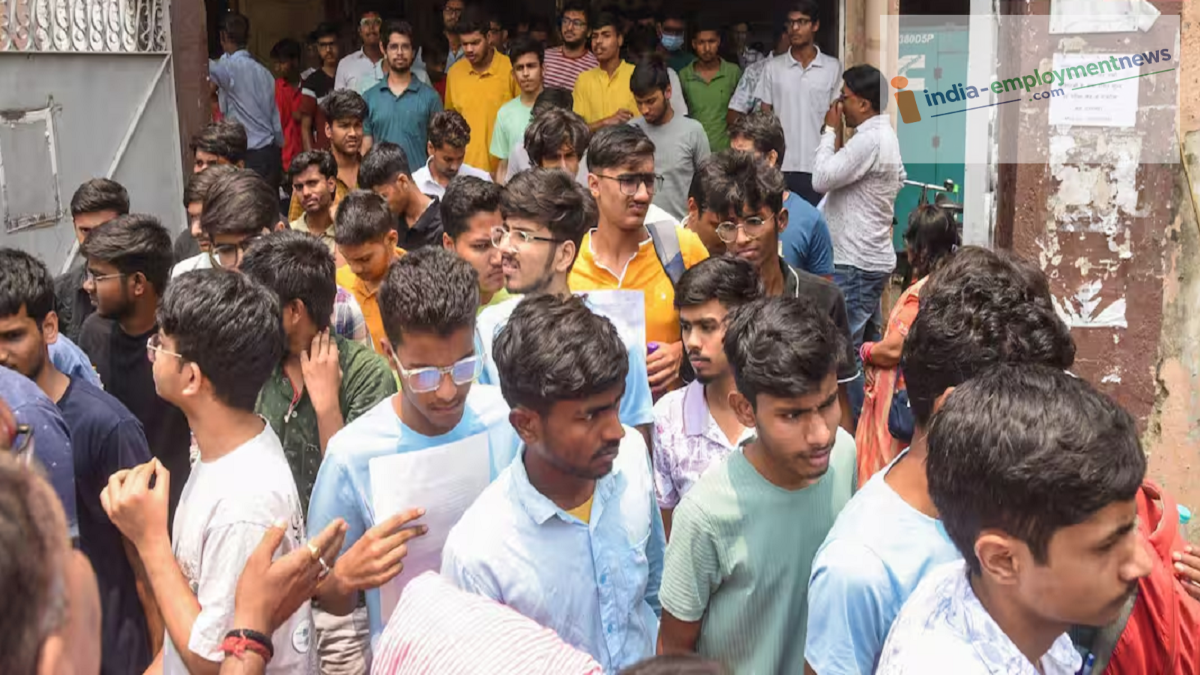
JEE-Advanced Attempts: A demand has been raised to modify the existing rules regarding the number of attempts allowed for the JEE Advanced exam. Students argue that candidates should be given the opportunity to take the exam three times instead of two.
IIT aspirants across the country have demanded changes to the current rules governing attempts for JEE Advanced. Students contend that candidates should be allowed to appear for the exam three times rather than the current limit of two. Over 12,000 candidates have submitted a petition regarding this demand to the Ministry of Education, the IIT Council, and the Joint Admission Board. The students have requested either an increase in the total number of attempts to three or permission to utilize the existing two attempts over a span of three consecutive years.
What are the current rules for the JEE Advanced exam?
Currently, candidates can take the JEE Advanced exam a maximum of two times over two consecutive years. The first attempt must be made in the same year the student passes Class 12. The second attempt can be made the following year. Candidates argue that this rule creates difficulties for many students who could perform better if given an additional opportunity to prepare and showcase their abilities.
Difference in attempt rules between JEE Main and JEE Advanced
In their petition, candidates have also highlighted the disparity between the attempt rules for JEE Main and JEE Advanced. Students get more opportunities to improve their performance in JEE Main, whereas JEE Advanced is restricted to two consecutive attempts. JEE Main offers a total of six opportunities to appear for the exam over three consecutive years. Meanwhile, the top 2.5 lakh candidates—based on their JEE Main performance—become eligible for JEE Advanced. Students argue that since JEE Main already filters candidates to select those eligible for JEE Advanced, granting an additional attempt for JEE Advanced would not alter the exam’s competitive nature or the number of available seats. According to candidates, allowing a third attempt would not alter the fundamental nature of the examination or the evaluation process.
Students argue against limiting talent based on the number of attempts
In their petition, students stated that JEE Advanced is not merely a test of rote knowledge but requires deep analytical capabilities. They maintain that every student’s potential varies; many candidates require sustained preparation—often extending beyond a single “drop year”—to solidify their conceptual understanding and develop problem-solving skills. Students also point out that JEE Advanced is a high-pressure, single-day examination. Factors such as health issues, stress, or even a minor error on the day of the exam can significantly impact a candidate’s performance. Consequently, they argue that two attempts are insufficient to fully showcase a student’s true potential.
Citing rules for NEET and JEE Main
In support of their demand, students cited the example of NEET, noting that there are no limits on the number of attempts or the age of candidates for that exam. They also highlighted the provision of six attempts for JEE Main, questioning why JEE Advanced—part of the same engineering entrance ecosystem—restricts candidates to only two consecutive attempts. Candidates argue that this disparity denies many capable and hardworking students a fair opportunity to demonstrate their abilities.
Reference to the additional attempt during COVID-19
The demand for three attempts at JEE Advanced is not new; students have been advocating for a change in this rule for years. They have now pointed to the precedent set during the COVID-19 pandemic, when an additional attempt was granted for JEE Advanced. Candidates argue that the allowance of an extra attempt during the pandemic demonstrated that the examination system could be modified when necessary. They contend that an additional attempt does not compromise the quality of the exam; instead, it provides more deserving students with the opportunity to prove their mettle.
