
Delhi University's new plan: Fourth-year undergraduate studies will no longer be offered in every college..
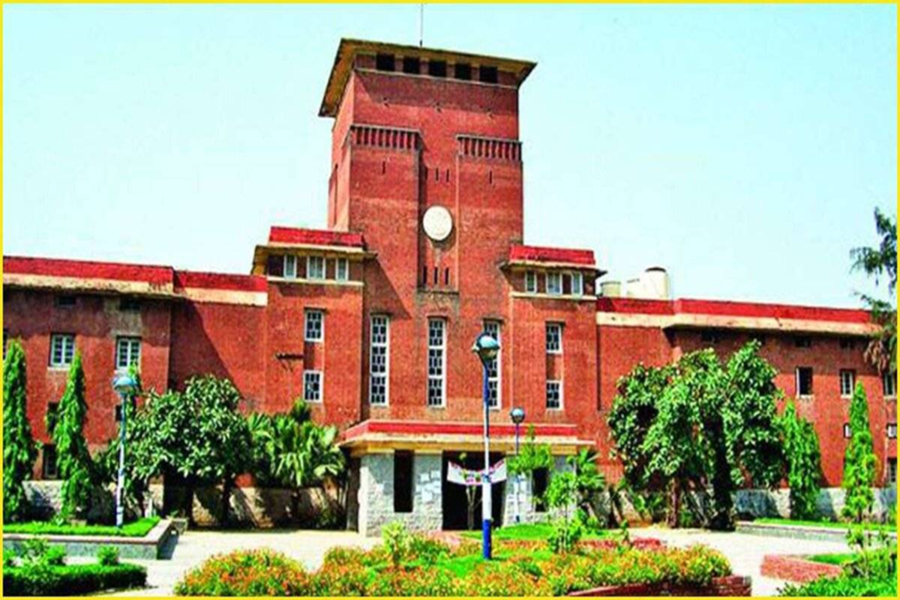
DU FYUP (Fourth Year Cluster Colleges): A major change is underway regarding Delhi University's four-year undergraduate program (FYUP). The university is preparing to restrict fourth-year studies to only a select few colleges. The reason is that the number of students enrolling for the fourth year is very low, making it financially unviable to run the program in every college.
It has been only a year since this four-year course—introduced under the National Education Policy (NEP)—was implemented. However, low student enrollment is forcing the university to alter its model. The Delhi University Principals Association (DUPA) has suggested selecting specific 'cluster' colleges where students from various colleges can come to complete their fourth-year studies. The university administration is also considering this proposal very positively.
Why is this change needed at Delhi University?
University Registrar Vikas Gupta stated that they are seriously considering this recommendation. He noted that there is no point in wasting budget and resources where student numbers are extremely low. After all, it is public money, and it must be utilized correctly.
Studying in a cluster without changing colleges
According to the Registrar, the NEP allows students to exit the course after the first or second year. Students wishing to pursue the fourth year could be sent to a designated college (cluster) to study together without having to transfer from their original college. This would also spare them the hassle of a formal college transfer.
Why did the Principals Association raise this issue?
DUPA Secretary Prof. Savita Roy expressed concern regarding this matter in a letter. According to the data:
In the 2025-26 academic year, only about 30% of students opted for the fourth year.
For the 2026-27 academic year, this figure has dropped even further; very few students have shown interest in the fourth year. Principals argue that when there are no students, it is not prudent to conduct separate classes, assign teaching duties, and bear infrastructure costs at every individual college. Therefore, they suggest that only those colleges possessing strong faculty and resources should be selected for this purpose.
**Lack of Infrastructure and Resources**
Student and teacher organizations had already been opposing DU's four-year model. Colleges lacked the space to accommodate fourth-year students; many had to erect temporary portacabins and struggled to secure the necessary funds. The university now hopes that this new cluster model will curb the wastage of resources and improve the quality of education. However, the final decision will be taken only after the complete admission data for this year becomes available.
Disclaimer: This content has been sourced and edited from Money Control. While we have made modifications for clarity and presentation, the original content belongs to its respective authors and website. We do not claim ownership of the content.
