
Delhi University: Could the debt burden lead to a hike in DU fees? Opposition in the Council over a ₹161 crore loan
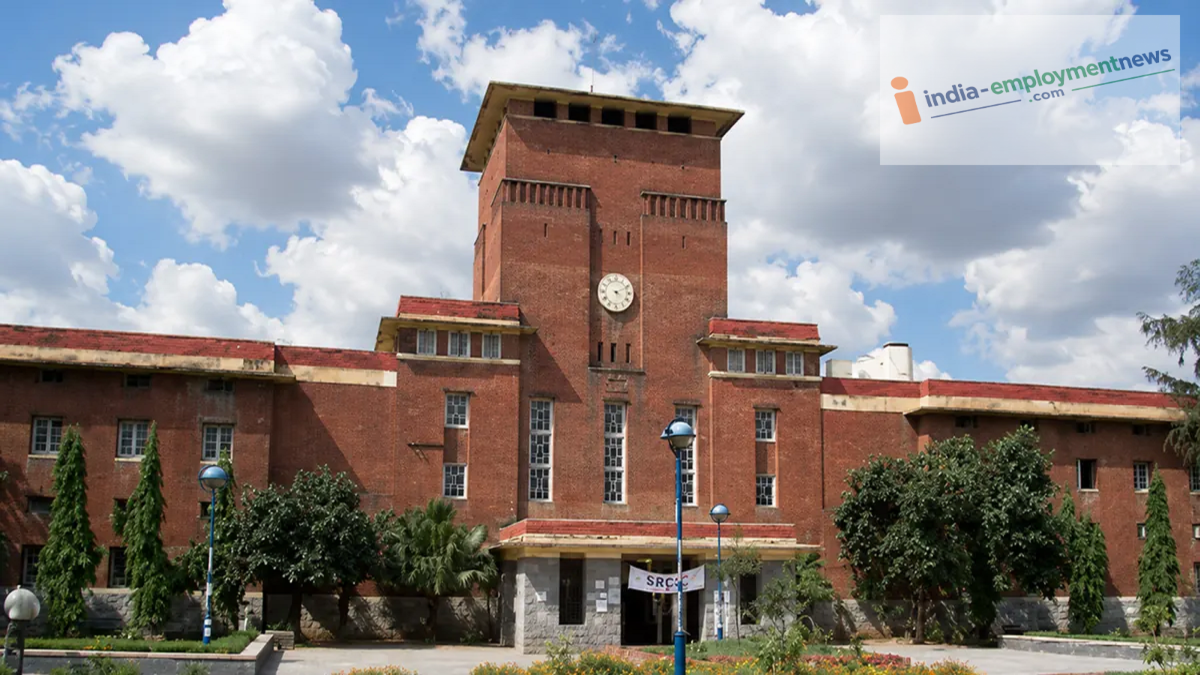
Despite strong opposition within Delhi University’s Executive Council regarding the growing reliance on loans from the Higher Education Financing Agency (HEFA), the annual report for the 2025-26 academic session has been approved.
Delhi University: The Executive Council of Delhi University has approved the annual report for the 2025-26 academic session, despite significant opposition concerning the university's increasing dependence on loans from the Higher Education Financing Agency (HEFA). A heated debate took place during the Executive Council meeting held on Thursday, where elected members raised serious concerns regarding the university's mounting financial liabilities. The members warned that the growing trend of borrowing funds for infrastructure and capital requirements could foster the commercialization of the institution. There are also concerns that, under the pressure to repay these debts, the university administration might resort to measures such as increasing student fees or promoting self-financing courses—steps that could undermine the core character of Delhi University.
Scrutiny over a debt of ₹161.36 crore
Mithuraj Dhusia, an elected member of the Executive Council, submitted a formal note of dissent during the meeting, detailing the full extent of the university's debt. According to this note, Delhi University’s outstanding debt to HEFA stood at approximately ₹161.36 crore as of March 31, 2026. This figure comprises an opening balance of ₹46.93 crore, new loans amounting to ₹109.63 crore disbursed during the financial year, and accumulated interest of ₹4.80 crore. Furthermore, Dhusiya has raised a strong objection to the fact that the university is required to cover 10 percent of the repayment—amounting to ₹3.15 crore—from its own internal receipts, while the remaining 90 percent is funded by the Ministry of Education.
Will there be a financial burden on students?
The note of dissent expresses deep concern that the obligation to repay the loan could alter the university’s priorities. Under pressure to generate revenue, the university might increase student fees, begin the commercial exploitation of campus resources, or expand self-financing courses at the expense of traditional academic programs. Council members argue that an increasing reliance on commercial borrowing would shift the university’s primary focus away from teaching and research toward debt repayment—a move that runs counter to the fundamental principles of education.
Questions raised over the non-utilization of government grants
A key issue highlighted regarding the university’s debt is that, while the institution is taking on loans, a grant of ₹221.50 crore received from the Ministry of Minority Affairs remains unspent. The note of dissent explicitly demands that, rather than resorting to borrowing to cover its expenses, the University of Delhi should seek full grant funding from the central government. This would help safeguard the institution’s autonomy and its public character. Nevertheless, despite these objections, the Executive Council has approved the annual report.
