
Children from economically weaker sections (EWS) will now get free admission in private schools across the country..
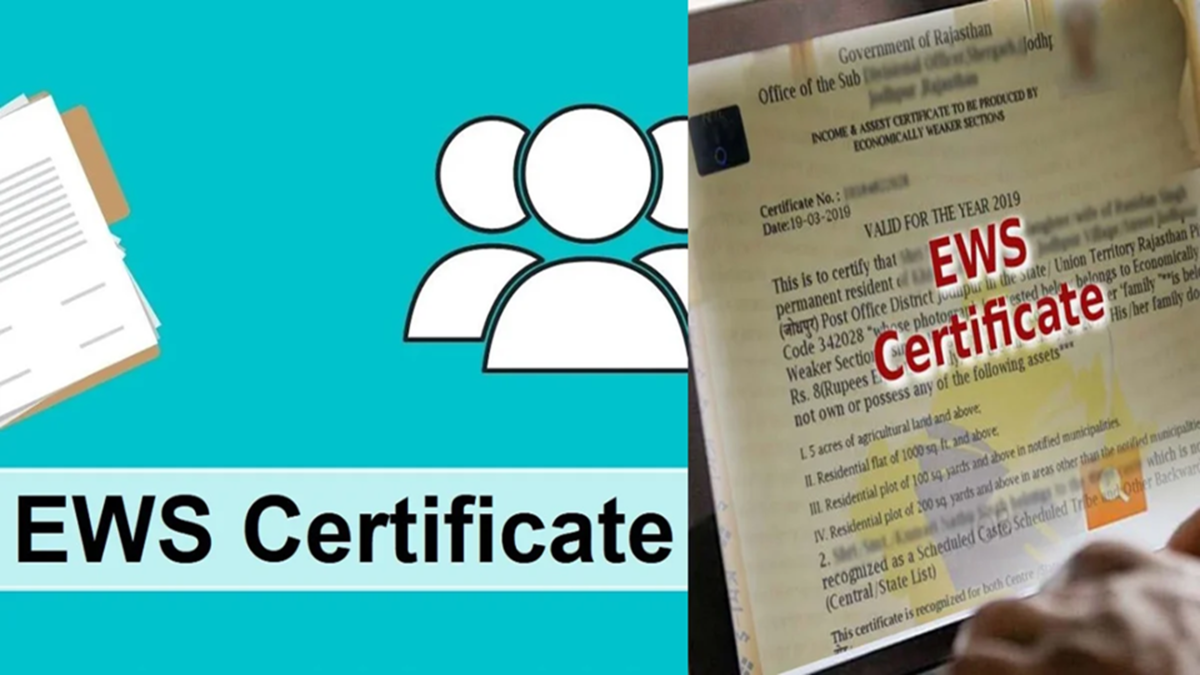
The Supreme Court has delivered a crucial and far-reaching judgment regarding the right to education. The court clearly stated that true fraternity is only possible when children from all sections of society study together in the same school and the same classroom. Reinforcing this idea, the apex court directed the initiation of a process to ensure 25 percent free seats for children from poor and disadvantaged sections in private and non-governmental schools under the Right to Education Act (RTE). This decision is considered a major step towards realizing the constitutional spirit of equality, liberty, and fraternity.
Fraternity through Equal Education
The Supreme Court bench stated that the Right to Education Act is not limited to mere schooling but is also a means of social integration. Justice P.S. Narasimha, in his judgment, said that the objective of this law is to create a shared educational environment where the child of a rickshaw puller, a street vendor, a millionaire, or even a Supreme Court judge can study in the same class. This will foster a sense of equality and mutual respect among children from the very beginning. The court clarified that this system is essential to eliminate discrimination based on caste, class, gender, or economic status.
“25% Seats are a Constitutional Responsibility.”
The court also stated that reserving 25 percent of seats in private schools for disadvantaged sections is not merely a separate welfare scheme, but a means of implementing the principles of child development and fraternity enshrined in Articles 21A and 39(F) of the Constitution. The court also refuted the notion that fraternity cannot be enforced. According to the court, fraternity is strengthened through institutional arrangements where children connect with each other, rising above social divisions.
Directions for Framing Rules and Monitoring
The Supreme Court directed the central and state governments to frame clear rules and regulations for the effective implementation of Section 12(1)(C) of the RTE Act. Consultation with the National Commission for Protection of Child Rights (NCPCR) and state commissions will be mandatory in this process. The NCPCR has also been ordered to collect information on the rules framed by the states and Union Territories and file an affidavit by March 31. The next hearing in the case will be held on April 6.
Disclaimer: This content has been sourced and edited from TV9. While we have made modifications for clarity and presentation, the original content belongs to its respective authors and website. We do not claim ownership of the content.
