
Chief Electoral Officer Salary: What qualifications are required to become a state’s Chief Electoral Officer (CEO), and what is the salary?
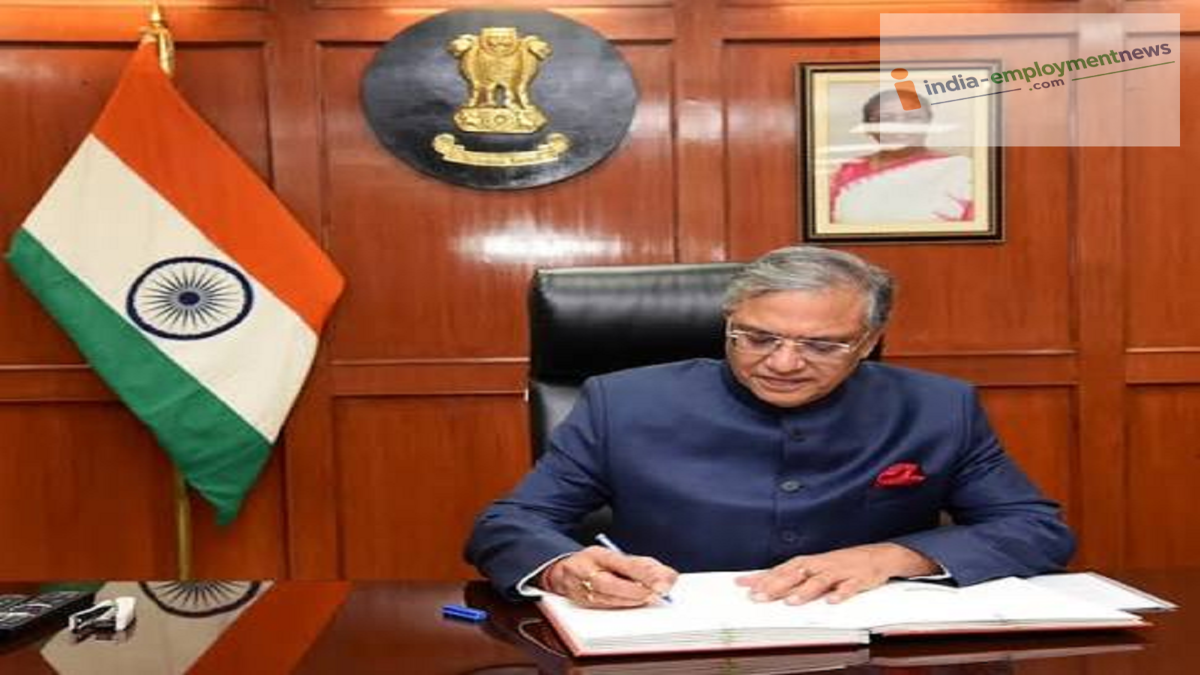
Chief Electoral Officer Salary: Essential qualifications, the selection process, and the salary for becoming a state’s Chief Electoral Officer. Learn how IAS officers—who qualify through the UPSC examination—take on the significant responsibility of managing elections.
Chief Electoral Officer Salary: Conducting elections fairly and transparently is a cornerstone of India’s democratic system. While the Election Commission of India oversees the entire electoral machinery at the national level, the responsibility for the successful conduct of Legislative Assembly and Lok Sabha elections at the state level rests with the Chief Electoral Officer (CEO).
Many wonder what specific education or degree is required to become the head of elections for a state. In reality, this is not a position filled through a direct public recruitment examination; rather, it is a highly prestigious and responsible constitutional post held by experienced officers of the Indian Administrative Service (IAS).
Education and Academic Qualifications Required to Become a CEO
There is no specific academic degree in "election studies" required to become a state’s Chief Electoral Officer. The primary and essential qualification is passing the Civil Services Examination conducted by the Union Public Service Commission (UPSC). To appear for this examination, a candidate must hold a graduation degree in any discipline from a recognized university in India.
Only after successfully clearing this rigorous examination and being selected for the Indian Administrative Service (IAS) can an individual become eligible to reach this top-tier position later in their career.
Selection Process and Experience Requirements
An individual is not appointed as a state’s CEO immediately upon becoming an IAS officer. According to the strict guidelines of the Election Commission of India, only senior and experienced administrative officers are eligible for appointment to the position of Chief Electoral Officer. For this position, an IAS officer must possess at least 10 to 15 years of extensive experience in administrative service, including practical, ground-level experience in conducting elections while serving as a District Magistrate or Collector.
As part of the appointment process, the concerned state government submits a panel of three senior IAS officers to the Election Commission of India. The Election Commission reviews the track record, impartiality, and experience of these officers before finalizing one name; the appointment is then formalized with the approval of the Governor.
Salary and Perks of the Chief Electoral Officer
The pay scale for a state’s Chief Electoral Officer (CEO) is equivalent to that of an IAS officer holding the rank of Principal Secretary or Additional Chief Secretary under the Government of India. According to the Seventh Pay Commission, the basic monthly salary for a state CEO ranges from ₹1,82,200 to ₹2,24,100.
In addition to this basic salary, the officer receives substantial allowances—such as Dearness Allowance, House Rent Allowance, and Travel Allowance—in accordance with central and state government regulations. Including these allowances, the total monthly gross salary of a CEO typically ranges from approximately ₹2.5 lakh to ₹3 lakh. Furthermore, they are provided with top-tier VVIP amenities, including a government bungalow, an official vehicle, security personnel, and complimentary medical facilities.
