
CBSE Revises Language Scheme for Classes 9 and 10; Studying Two Indian Languages Now Mandatory
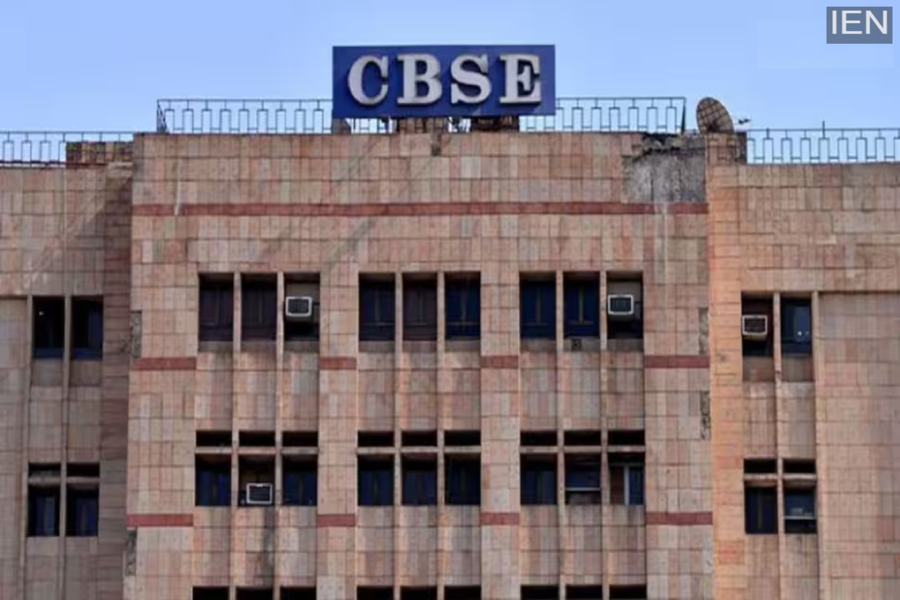
CBSE has decided to implement a new language policy for Classes 9 and 10, effective from the academic session 2026-27. Under the new regulations, students will be required to study three languages, of which at least two must be Indian languages.
CBSE has announced significant changes to the language curriculum for Classes 9 and 10. The Board has decided to introduce this new language framework in alignment with the National Education Policy (NEP) 2020 and the National Curriculum Framework (NCF) 2023. This new system will come into effect starting from the academic session 2026-27.
According to the directives issued by CBSE, students in Classes 9 and 10 will now be required to study three languages, designated as R1, R2, and R3. The Board has clarified that, out of these three languages, it is mandatory for at least two to be of Indian origin. This rule will be implemented from July 1, 2026.
New Rules Apply to Selection of Foreign Languages
Under the new policy, students may opt to select a foreign language; however, in such cases, the remaining two languages must be Indian languages. Additionally, a foreign language may also be studied as an optional fourth language.
Changes Aligned with NEP 2020
The Board stated that this decision was taken after carefully considering the new syllabus released by NCERT as well as the recommendations outlined in the NEP 2020. CBSE asserts that this new framework will aid in fostering linguistic skills among students and deepening their understanding of Indian languages.
New Directives Issued to Schools
CBSE has directed all affiliated schools to review the new curriculum, learning objectives, and competencies related to language education. The Board noted that several skills associated with language learning—such as reading, grammar, writing, and oral communication—already align with the existing curriculum at the secondary level.
Studies to Commence Using Class 6 Textbooks for Now
Until the new R3 textbooks become available, students in Classes 9 and 10 will study using the Class 6 R3 textbooks for their chosen language. Schools have also been advised to incorporate local literature, poetry, stories, and other relevant materials.
Special Arrangements to Address Teacher Shortage
The CBSE has acknowledged that some schools may face a shortage of qualified teachers for Indian languages. Consequently, the Board has authorized schools to adopt interim arrangements. Under this provision, schools may utilize mutual cooperation, online teaching, the services of retired teachers, and the appointment of qualified postgraduate teachers.
Board to Provide Textbooks for 19 Languages
The Board has announced that R3 textbooks for 19 Scheduled Indian languages will be made available to schools by July 1, 2026. Additionally, guidelines regarding the use of supplementary teaching materials will be issued by June 15, 2026.
