
CBSE 12th Result: 98.66 Lakh Answer Sheets Digitally Evaluated; CBSE Explains the Benefits of On-Screen Marking..
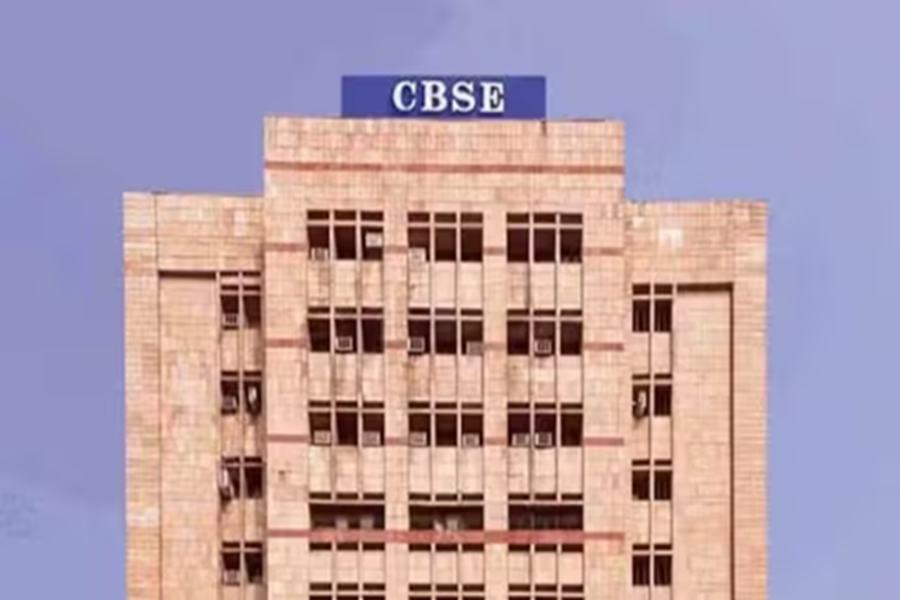
CBSE 12th Result 2026: The Central Board of Secondary Education (CBSE) has released the results for the Class 12 Board Examinations held in 2026. This year, the Board successfully implemented the On-Screen Marking (OSM) system, marking a major shift in its evaluation process. For the first time, CBSE has utilized this digital evaluation system on such a massive scale—an initiative now being hailed as the largest OSM campaign to date.
Over 98.66 Lakh Answer Sheets Evaluated
According to the Board, a total of 9,866,622 answer sheets were evaluated under this new framework. CBSE states that this initiative represents a significant step toward strengthening transparency, efficiency, and student-centric reforms in alignment with the National Education Policy (NEP).
What is the On-Screen Marking (OSM) System?
On-Screen Marking is a digital evaluation system wherein answer sheets are assessed directly on a computer screen. In this process, examiners are provided access to the answer sheets online, eliminating the need to physically transport or send the copies to them.
According to CBSE, this system enables teachers from affiliated schools—located both within India and abroad—to evaluate answer sheets from any location. Consequently, the evaluation process has become faster and more secure.
Key Benefits of the OSM System
CBSE has highlighted several significant advantages derived from the On-Screen Marking system. This system has rendered the evaluation process more transparent and error-free.
**Ensured Confidentiality:** Under the OSM system, there is no need to physically transport answer sheets to designated evaluation centers. This ensures the security and confidentiality of the answer sheets remain intact. Furthermore, it makes it possible to conduct evaluations from any CBSE-affiliated school, whether located in India or abroad.
**Reduction in Errors:** Thanks to the digital nature of the process, errors related to the totaling, posting, and uploading of marks are eliminated. This results in more accurate outcomes for the students.
**Comprehensive Evaluation of Every Answer:** According to CBSE, the OSM system ensures that every single answer is evaluated strictly in accordance with the prescribed marking scheme. This eliminates any possibility of a question being missed or left partially evaluated. Reduced Human Intervention: The reduced reliance on manual processes within this system enhances fairness. Examiners award marks strictly according to established standards, thereby making the evaluation process more objective.
Time and Effort Savings: On-Screen Marking (OSM) has significantly reduced the manual workload for teachers. They no longer need to spend time on tasks such as totaling marks or uploading data, allowing them to focus more intently on the quality of the evaluation itself.
Environmentally Friendly: The CBSE has described this initiative as an eco-friendly measure. The digital evaluation process promotes a paperless environment and conserves resources.
Transparency and Trust: The Board states that OSM has fostered greater trust in the examination system among students, parents, and schools. The maintenance of digital records has also bolstered accountability.
**Differences Between Traditional Evaluation and OSM**
**Aspect** | **Traditional Evaluation** | **OSM Evaluation**
**Errors in totaling marks** | Often possible | Completely eliminated
**Posting/Uploading errors** | Possible | Eliminated
**Incomplete evaluation** | Possible | Eliminated
**Transport of answer scripts** | Necessary | Not necessary
**Risk of losing or damaging scripts** | Possible | Not possible
**Evaluation requirements** | Physical script and pen | Digital script and mouse
**Daily evaluation capacity** | 20–25 scripts | Approximately 30 scripts
**Teachers Welcome OSM**
According to the CBSE, teachers across the country have welcomed this new system introduced by the Board. Teachers view it as a major step toward modernizing the evaluation process.
According to the teachers, OSM has eliminated errors previously associated with calculating and uploading marks. This has enabled a more accurate assessment of students' performance. Many examiners have noted that the digital process has rendered the evaluation procedure more transparent and accountable.
Teachers also mentioned that while they initially underwent training, the system subsequently proved to be quite simple and user-friendly.
Furthermore, teachers have hailed the paperless evaluation process as a positive initiative toward environmental conservation. They believe that this will further strengthen the confidence of students and parents in the examination results.
Disclaimer: This content has been sourced and edited from Amar Ujala. While we have made modifications for clarity and presentation, the original content belongs to its respective authors and website. We do not claim ownership of the content.
