
Can NRIs take the Civil Services Exam? How can they become IAS officers
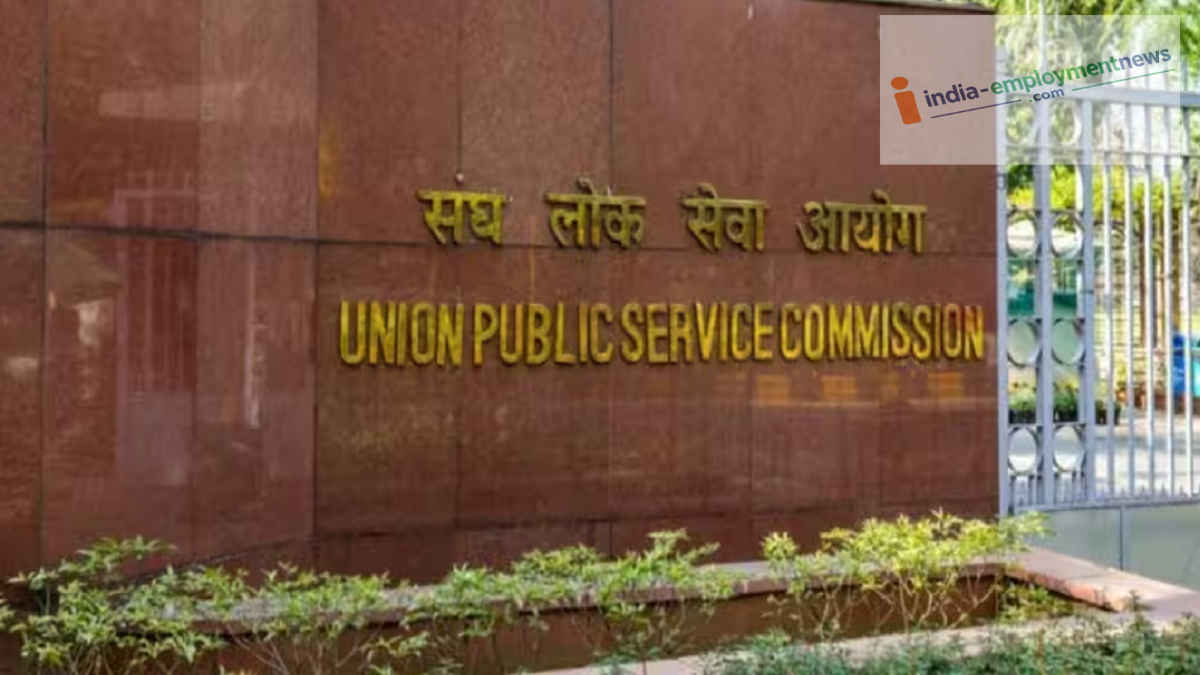
Under UPSC rules, Indian citizenship is mandatory to become an IAS officer; therefore, NRIs (Non-Resident Indians) can only take the Civil Services Examination if they hold Indian citizenship.
Many young people of Indian origin living abroad often wonder if they can become IAS or IPS officers by taking the UPSC Civil Services Examination. There is often confusion regarding NRIs, as the term is frequently conflated with other categories like OCI (Overseas Citizen of India) and PIO (Person of Indian Origin).
However, the rules and provisions regarding the UPSC examination differ significantly for NRIs and OCI cardholders. Let us understand who is eligible to take the Civil Services Examination and the pathway to becoming an IAS officer.
Who is an NRI, and are they eligible?
An NRI is an individual who is an Indian citizen but is currently residing abroad for education or employment purposes. Since an NRI retains Indian citizenship, they are considered fully eligible to take the UPSC examination. NRIs can apply for all services recruited through the UPSC—including IAS, IPS, and IFS—provided they meet all other criteria, such as age and educational qualifications.
Different rules for OCI
Unlike NRIs, the rules for OCI (Overseas Citizen of India) cardholders are quite strict. According to UPSC regulations, Indian citizenship is mandatory for services such as IAS, IPS, and IFS; therefore, OCI cardholders cannot apply for these three services. While citizens of Nepal and Bhutan are eligible for certain other central services recruited through the UPSC, the IAS and IPS cadres are reserved exclusively for Indian citizens.
What are the conditions and rules for NRIs?
Although NRIs are permitted to take the exam, UPSC rules do not grant them any special exemptions or quotas. Unlike exams such as NEET, which offer an NRI quota, there is no such provision in the UPSC examination. They must compete under the General category or their respective original category. Additionally, the UPSC does not establish any examination centers—whether for the Preliminary exam, the Main exam, or the interview—abroad. Candidates must travel to designated centers within India to take the exams.
Furthermore, if an NRI candidate has completed their graduation at a foreign university, they are required to obtain an equivalence certificate from the Association of Indian Universities before filling out the application form, ensuring their degree is recognized in India.
How can one become an IAS officer?
The UPSC examination process to become an IAS officer consists of three stages: the Preliminary exam (Prelims), the Main exam (Mains), and the interview. The Prelims comprise two papers, whereas the Mains involve written papers on various subjects, including an essay. Candidates are called for an interview after successfully clearing both these stages. A final merit list is prepared based on the aggregate marks obtained across all three stages; a candidate's rank determines which service—such as IAS, IPS, or IFS—they are allocated to. In essence, while every candidate takes the same examination, appointments to different services are made based on the rank achieved.
