
Agniveers recruited at the same time will become seniors and juniors; will this also affect their salaries?
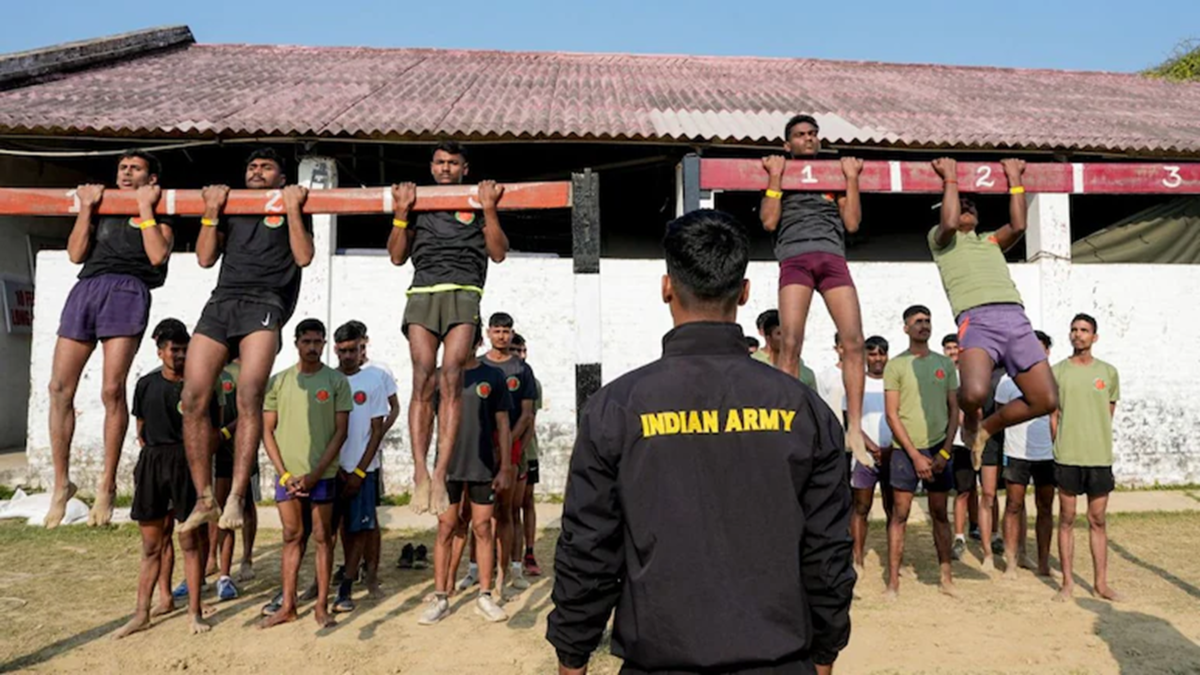
Several changes have been introduced to the 'Agnipath' scheme for military recruits. These significant modifications—implemented as the scheme completes four years—provide relief to the 75 percent of 'Agniveers' who were previously slated to leave the service after a four-year tenure. These individuals will now be granted a two-year extension, with the subsequent opportunity to secure permanent status. However, these changes will affect the ranks of the personnel; two individuals who joined the service at the same time may end up holding different ranks.
Who will be considered the 'senior' soldier?
The 25 percent of Agniveers who secure permanent positions after four years—a provision that existed previously and remains in place—will be transitioned into regular soldiers. Upon this transition, they will be eligible for promotion to the ranks of 'Lance Naik' and subsequently 'Naik'. In contrast, the remaining 75 percent of Agniveers will only have the opportunity to become regular soldiers after six years. Consequently, those who joined at the same time and completed their training and other requirements together may find that their peers have become their seniors.
What are the disadvantages for those in the 75 percent group?
Agniveers who are not selected for the initial 25 percent cohort may face certain disadvantages beyond being junior in rank. This includes differences in leave entitlements; while regular soldiers are entitled to approximately 90 days of leave, Agniveers are currently allotted 30 days per year—a figure that is reportedly being considered for an increase to 60 days. Furthermore, there may be a disparity in salary; those who become permanent after six years could potentially earn less than those who transition to permanent status after four years.
Option to leave after four years
Although a two-year extension is available, Agniveers retain the option to leave the service upon the completion of their initial four-year term. However, there remains some confusion as to whether state governments will provide reservations for these 'Agniveers'. While a few states have made announcements, most have remained silent on the matter for now. Everyone is currently awaiting the release of clear, specific guidelines from the central government regarding this change.
Disclaimer: This content has been sourced and edited from NDTV India. While we have made modifications for clarity and presentation, the original content belongs to its respective authors and website. We do not claim ownership of the content.
