
Agniveers may be granted permission to marry; they will be required to provide consent for an extension of service..
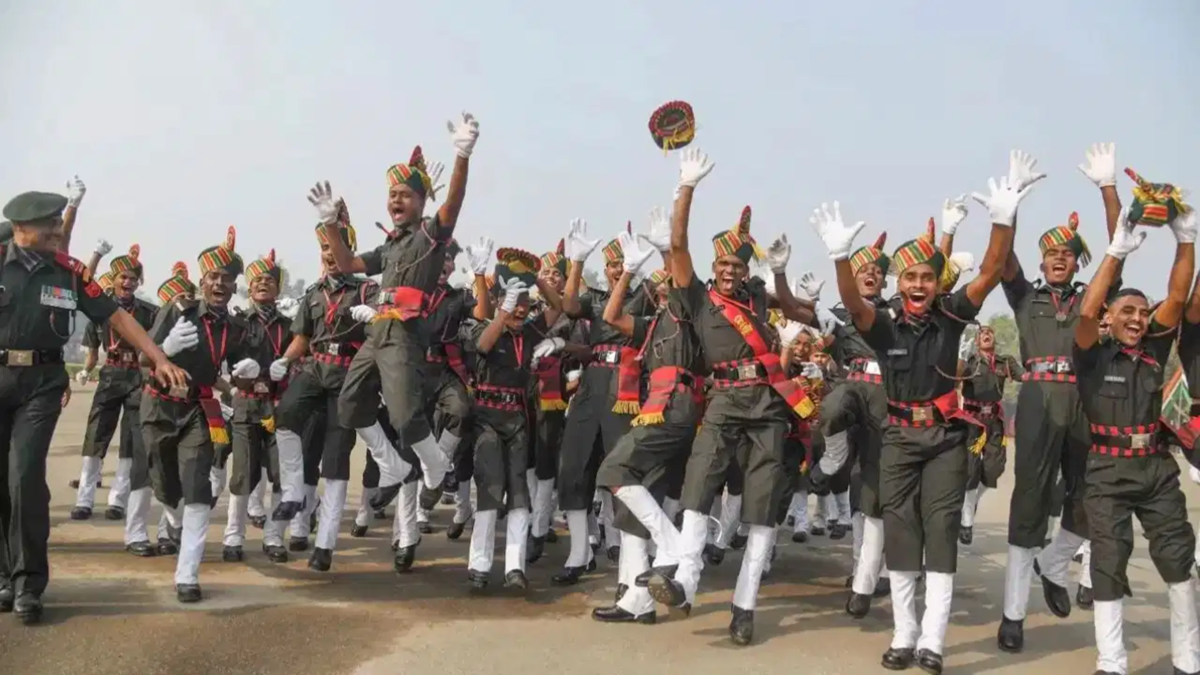
The process of introducing changes to the 'Agnipath' recruitment scheme has gained momentum. Recently, the central government announced a 2-year extension for 'Agniveers'—recruits under the Agnipath scheme—following the completion of their initial 4-year service tenure. This extension is intended for the 75% of Agniveers who are not granted permanent status after the initial 4 years. Furthermore, there are plans to provide these individuals with an opportunity to attain permanent status after completing a total of 6 years of service. This revised framework is being referred to as 'Agnipath Scheme 2.0'. Efforts are now underway to broaden the scope of these changes, which include a proposal to allow Agniveers to marry. Under this new framework, Agniveers will be required to provide their consent for the extension.
Let us examine the matter in detail. We will explore the proposal regarding marriage for Agniveers, the process for consenting to or declining the service extension, and other recent updates concerning the Agnipath scheme.
Consideration of Marriage Permission After 4 Years
Currently, Agniveers recruited under the scheme are required to remain unmarried throughout their 4-year service tenure. The Department of Military Affairs is now working on a proposal to permit Agniveers to marry during the 2-year extension period that follows their initial 4 years of service. In other words, if approved, Agniveers would be permitted to marry during this 2-year extension. Additionally, plans are being considered to allocate family quarters at the duty station to those who marry. However, no official announcement has been made regarding these proposals yet.
Consent or Dissent to be Provided via the ASAAN App
Upon completing their 4-year service tenure, Agniveers will be required to provide their consent or dissent through the Army’s software application, 'Agnipath Administration and Networking' (ASAAN). For this purpose, Agniveers will be presented with four options. Let us look at the options available for expressing consent or dissent:
First Option – Consent for the permanent cadre only.
Second Option – Consent for the permanent cadre, and in the event they are not among the 25% selected for permanent status, consent for an extension of service.
Third Option – Consent for a 2-year extension of service following the completion of the initial 4-year tenure.
Fourth Option – Dissent (i.e., choosing not to continue service).
How the Extension Process Will Work
According to media reports, the Department of Military Affairs has delegated the responsibility of formulating the terms and conditions for granting extensions to Agniveers to the respective armed services. The Air Force is considering extensions based on its existing marking and assessment process. Meanwhile, the Army is working on a plan to grant permanent status to disciplined and physically fit Agniveers after a 6-year service tenure, as there is no cap on this.
Disclaimer: This content has been sourced and edited from TV9. While we have made modifications for clarity and presentation, the original content belongs to its respective authors and website. We do not claim ownership of the content.
