
Agniveer News: Will the marriage rule for Agniveers change following a 2-year extension?
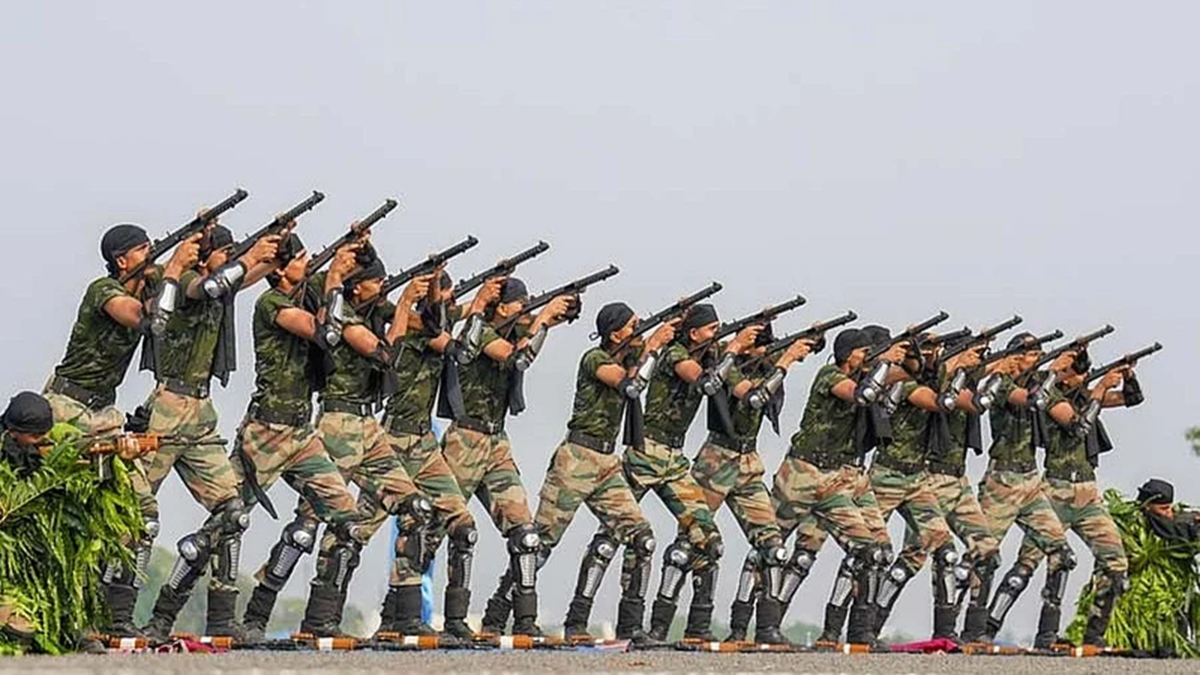
Agniveer Marriage Rules: The introduction of an additional two-year service tenure—following the initial four-year term—marks a significant shift in the career trajectory of Agniveers. Under the Agnipath scheme, approximately 75 percent of Agniveers will no longer be required to exit the service immediately after four years; instead, they may opt for an additional two-year extension. Following this, they may also have the opportunity to join the regular armed forces, provided they meet the prescribed selection criteria. Amidst these changes, a key question has emerged among Agniveers: when are they permitted to marry? Will those who opt for the two-year extension be allowed to marry, or must they remain unmarried for the entire six-year duration?
Currently, there are strict regulations regarding marriage for Agniveers. Candidates must be unmarried at the time of recruitment, and they are prohibited from marrying during their initial four-year service period. Any Agniveer who marries during this time may be discharged from service. Furthermore, those aspiring to become regular soldiers are also required to remain unmarried throughout the selection process. With the introduction of the two-year service extension, discussions are underway regarding marriage and family-related policies. According to sources, the existing rules may be amended to provide exemptions for Agniveers during this two-year extension period. While the final regulations and official guidelines have yet to be clarified, it is understood that changes to this policy are currently under consideration.
What are the current marriage rules for Agniveers?
Under the Agnipath scheme, only unmarried candidates are eligible for recruitment as Agniveers in the Indian Armed Forces. At the time of recruitment, candidates are required to provide proof of their unmarried status. Additionally, recruits must agree to a condition that they will not marry during their stipulated four-year service tenure. According to the Indian Army’s recruitment terms, an 'Agniveer' who marries during these four years may be discharged from service. This is not merely a piece of advice; it is a formal condition of recruitment and service, making it mandatory for Agniveers to adhere to this rule. This regulation is significant because the service tenure for Agniveers is fixed at four years—a period dedicated to training, active duty, and other military responsibilities. Ensuring the availability of personnel and maintaining continuity in service, in line with the Army's operational requirements, is essential.
Can one marry if they wish to become a permanent soldier?
Another crucial condition regarding marriage for Agniveers pertains to the process of transitioning into the regular cadre. Under the current system, up to 25 percent of Agniveers from each batch are offered the opportunity to become permanent soldiers upon completing their four-year tenure. Selection is based on performance, merit, and the specific requirements of the Army. According to reports concerning Army guidelines that emerged in January 2026, Agniveers aspiring to become permanent soldiers must remain unmarried until the selection process is concluded and the final results are declared. If an Agniveer marries during this period, they may become ineligible for induction into the regular cadre. In other words, the mere completion of the four-year tenure does not automatically grant permission to marry—especially if the individual is participating in the selection process for a permanent position. Reports indicate that the selection process for the regular cadre can take approximately four to six months, encompassing application, evaluation, and final selection. Consequently, Agniveers who wish to become permanent soldiers have been advised to refrain from marriage until the final results are announced. Once selected and formally appointed as a permanent soldier, they are free to marry.
Could Marriage Rules Change Following the Service Extension?
For 'Agniveers', the most pressing question now is: with the service tenure increasing from four to six years, will the existing prohibition on marriage also be extended by another two years? The Cabinet has approved an additional two-year service tenure for the 75% of Agniveers who complete their initial four-year term. This option will be voluntary; those who wish to continue serving for the additional period may choose to do so.
According to information from defense sources, aspects concerning the personal and family lives of Agniveers—including potential changes to the rules regarding marriage—are currently under consideration. However, it remains unclear whether those who opt for the extension will be permitted to marry during these two additional years. It is important to note that while a ban on marriage is already in place for the initial four-year service period, specific guidelines regarding marriage conditions for the additional two-year tenure have yet to be issued. Consequently, it cannot yet be determined whether Agniveers will be free to marry immediately after completing their first four years, or if they will be required to remain unmarried for the full six-year duration.
Two Paths After Four Years
Following the recent changes, Agniveers who complete their four-year service term will face different options. Approximately 25 percent of Agniveers selected for the regular cadre in the first phase will be eligible to marry once they are appointed as permanent soldiers. Meanwhile, the remaining 75 percent will have the opportunity to opt for an additional two-year service extension. Those who accept this two-year extension will be required to adhere to the rules governing this new term of service. Whether marriage will be permitted during this period will be clarified in forthcoming official guidelines. Subsequently, upon completing a total of six years of service, those Agniveers who wish to become regular soldiers will once again need to meet the prescribed selection criteria.
On the other hand, for those Agniveers who choose not to take the two-year extension after their initial four-year term and instead opt to leave the service, it is important to note that a requirement to remain unmarried may still apply if they decide to apply for induction into the regular cadre. Before making any decisions regarding marriage, they should ensure they are fully informed about the rules pertaining to their service status and the selection process.
Disclaimer: This content has been sourced and edited from News18 Hindi. While we have made modifications for clarity and presentation, the original content belongs to its respective authors and website. We do not claim ownership of the content.
