
3D mapping to uncover data hidden within the human brain; specialized research underway at IIT Madras..
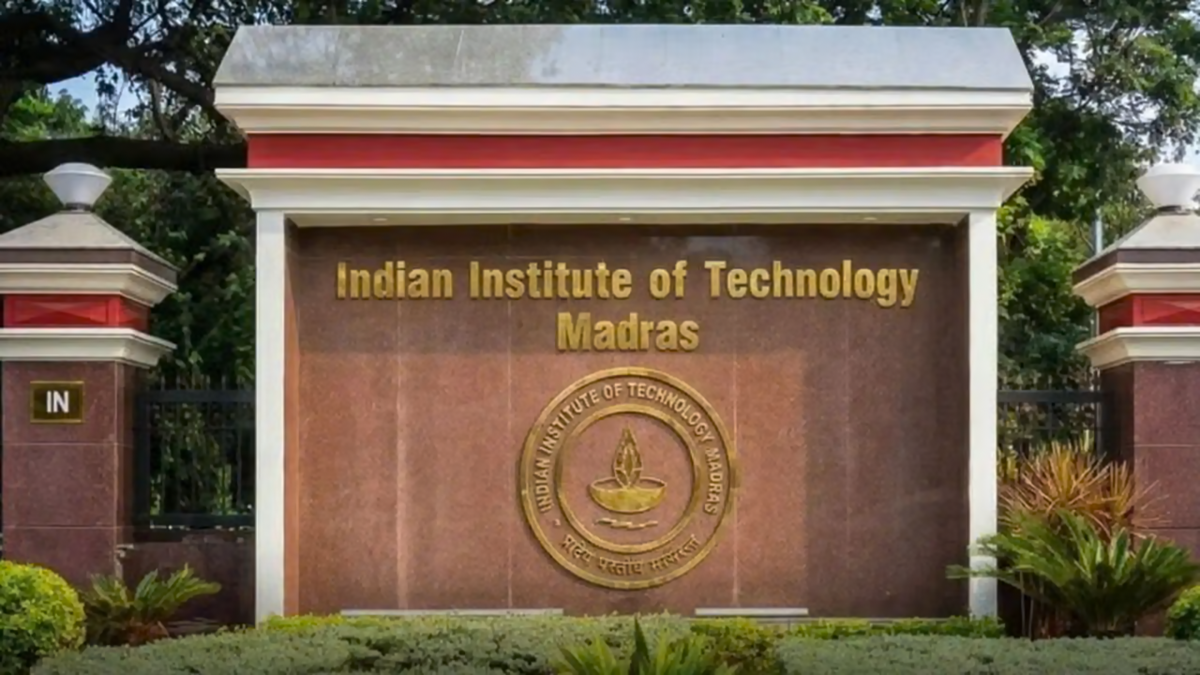
With the aid of science and technology, efforts are now underway to understand the human brain in greater detail than ever before. The Sudha Gopalakrishnan Brain Centre (SGBC) at IIT Madras is using specialized technology to create high-resolution, digital 3D images of the human brain. The objective of this research is to develop a detailed map of brain cells and their structures, which could help in understanding strokes and other brain-related disorders. Prime Minister Narendra Modi praised this initiative during his ‘Mann Ki Baat’ broadcast on October 25, 2026, highlighting its global significance.
Mapping of over 100 human brains
The project at the Sudha Gopalakrishnan Brain Centre, IIT Madras, aims to create 3D maps of more than 100 human brains. This will involve studying the brain across various stages of life—from the fetal stage through to old age—enabling scientists to gather data on the brain's architecture and its cellular composition. Prime Minister Narendra Modi commended this research in the 139th episode of ‘Mann Ki Baat,’ noting that the technology is being used to generate high-resolution digital images of the human brain.
Assisting in the understanding of strokes and brain disorders
The research includes an atlas comprising over 1,000 detailed sections of brains affected by strokes. It allows for the study of changes such as neuronal health, inflammation, damage to the blood-brain barrier, and oxygen deprivation. This could assist doctors and scientists in identifying the root causes of brain disorders and developing new treatment methods. Furthermore, it will enable the exploration of links between cellular-level changes in the brain and the signs visible through medical imaging.
Data to be processed by the ‘Param Shakti’ supercomputer
The data generated from the 3D mapping of the brain is vast and highly complex. The country’s powerful 'Param Shakti' supercomputer is being used to process this data. Through this technology, human brains—obtained post-mortem—are converted into digital 3D maps.
Benefiting researchers worldwide
More than 200 researchers, engineers, and technicians are working on this project. Additionally, over 10 medical institutions in India and more than 30 prominent researchers from over 10 countries are collaborating on the initiative. The resulting digital atlas has been made available to researchers and medical experts. It is expected to assist scientists globally in studying the human brain and developing better medical treatments in the future.
Disclaimer: This content has been sourced and edited from TV9. While we have made modifications for clarity and presentation, the original content belongs to its respective authors and website. We do not claim ownership of the content.
