
173 IIT Students Died by Suicide in 20 Years; 70% of Deaths Occurred in the Last Decade
Data regarding IIT students reveals that between 2006 and September 2026, 173 students died by suicide or under unnatural circumstances. Approximately 70 percent of these cases were recorded in the last 10 years.
A report has emerged concerning student suicides and unnatural deaths at the country’s IIT institutes. According to data compiled by a group of IIT alumni, 173 students died by suicide or under unnatural circumstances between 2006 and September 2026, with about 70 percent of these cases occurring in the last decade. This figure is based on an analysis by Dheeraj Singh, founder of the Global IIT Alumni Support Group and an IIT Kanpur alumnus. His report records 51 deaths between 2006 and 2015, while the number rose to 120 between 2016 and September 2026. The data accounts for a total of at least 171 recorded deaths.
Incidence Spikes During Exams and Results
According to the report’s data, approximately 82 percent of the suicides took place within IIT campuses. It also claims that the incidence of these deaths was higher during periods of examinations or result announcements, whereas a decline was observed during semester breaks. The report suggests that the rise in deaths cannot be fully explained merely by the increase in the student population; instead, it highlights a serious issue concerning student mental health and institutional management.
Questions Raised Again Following IIT Bombay Incident
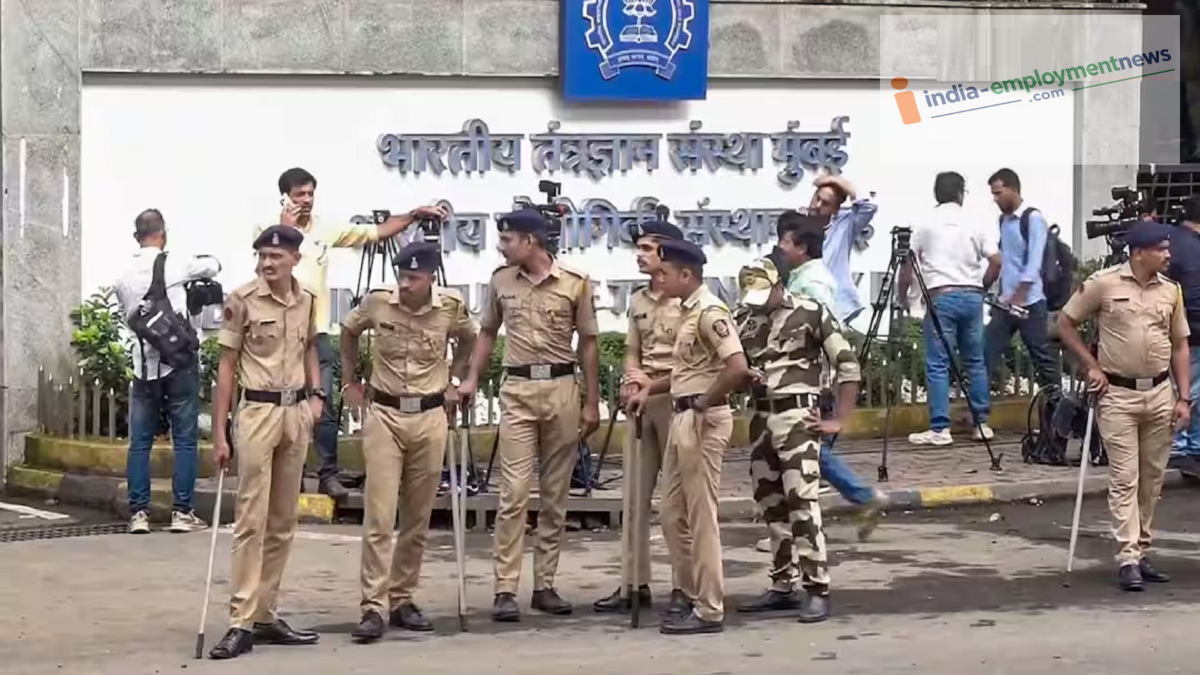
The issue of suicides at IIT institutes has returned to the spotlight following recent incidents involving two students. Notably, Rishikesh Kumar, a 31-year-old M.Sc. Physics student, died at IIT Delhi on August 22. Following this, students staged protests demanding an investigation and accountability. The institute had also constituted an external inquiry committee to investigate the matter. Subsequently, on September 18, a 20-year-old B.Tech student, Sahil Wakode, died at IIT Bombay. Reports indicate that before his death, Sahil had been caught searching for AI paper questions on his mobile phone during a mid-semester examination. Protests have since erupted on the IIT Bombay campus following Sahil’s death. IIT Bombay later apologized for its initial statement regarding the circumstances leading up to the incident, acknowledging that issuing such a statement while the investigation was ongoing was inappropriate.
Which students are at higher risk?
Dheeraj Singh’s case report identifies male B.Tech students and female PhD scholars as particularly vulnerable groups. Together, these two groups accounted for approximately 60 percent of the suicides recorded over a two-decade period. Disparities based on social categories were also highlighted; the report states that the suicide rate among SC and ST students was nearly double that of the General category, and these students died at a relatively younger age. Furthermore, regarding the post-COVID period, the report claims that the suicide mortality rate among SC students was 2.6 times higher, and among ST students, 4.2 times higher, compared to the General category.
Proposal for a 14-point policy
To improve the situation for students, the report proposes a 14-point policy. This includes structured mentoring by friends, seniors, and alumni; early identification of at-risk students; confidential mental health services; and campus-wide mental health surveys. Additional recommendations include training for faculty, staff, and students; incorporating institutional well-being metrics into the NIRF rankings; appointing dedicated well-being leadership at IITs; and commissioning an independent expert committee to review past student deaths. It should be noted that this data was compiled using responses obtained via RTI and media reports; there is no centralized official database tracking student deaths at IITs.
